Seminars and Electives
Designed for undergraduate and graduate-level (syllabi available on request).
Food and Agriculture
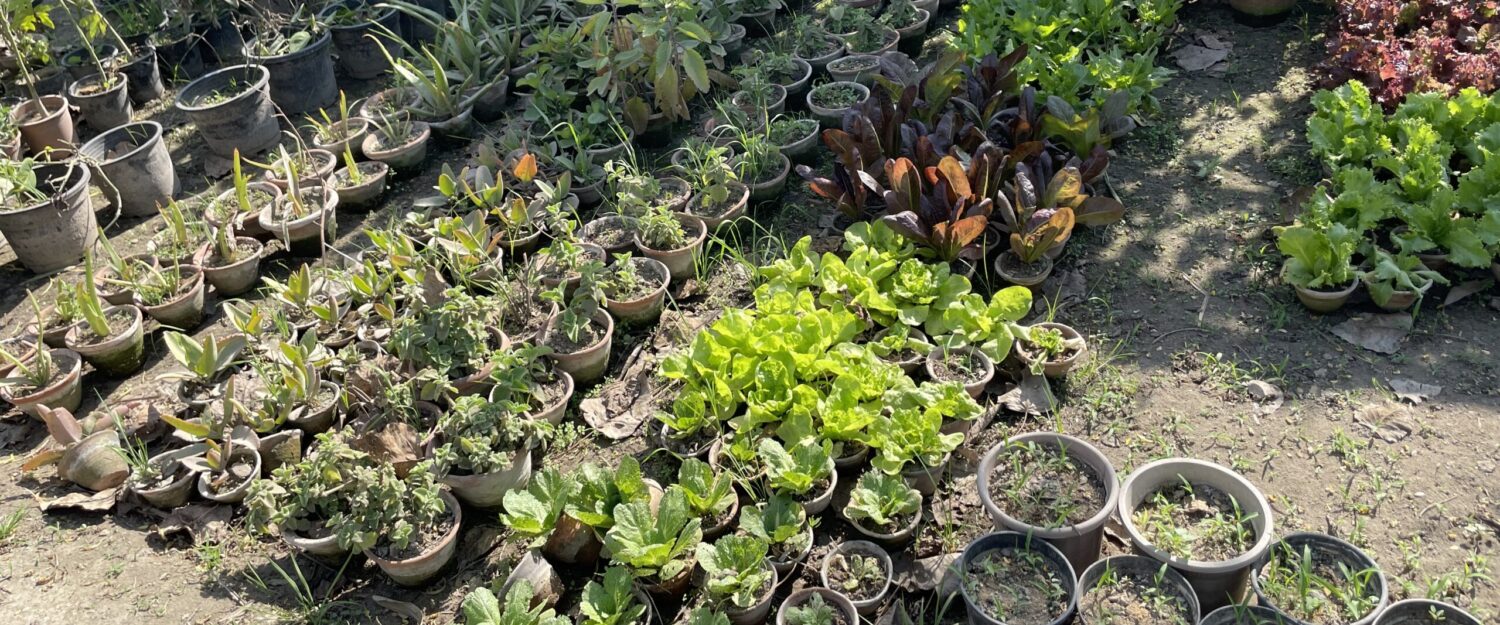
This course covers theoretical and research approaches to the economy of food and agriculture. Students will read about the Green Revolution, land rights, resource use, sustainable agriculture, labor in food systems, the globalization of food and taste, the politics of “traditional” and “authentic” foods, and the cultural practices shaping the production, distribution, preparation, and consumption of food. Students will learn how food and farming practices intersect with social inequalities and with global, national, and local political economy. The course closes with questions of how to create democratic food systems and equitable land and resource use, tackle hunger and malnutrition, and promote sustainable production and fair labor practices.
Power, Place, and the Global Economy
This introductory course teaches students to see the political, social, cultural, economic, and spatial as interconnected rather than as separate spheres. Students will analyze how regional and national economies differ, why development within the global economy is uneven, and how states, markets, and social movements produce and contest these patterns. Students will also examine how these patterns shape people’s lives and livelihoods across scales. Topics include the state and society, colonial capitalism, environmental resources and extraction, climate change, global finance, commodity chains, and transnational, national, and local economies.
Exploring Alternative Economic Futures: Sustainability, Livelihoods, and Cooperatives
This course asks what the economy is, and whether it could be otherwise. Starting from core concepts such as markets, commodities, wage labor, and value under capitalism, students will explore diverse responses to contemporary capitalism and the dominant political economy. Through case studies of cooperatives, fair trade, alternative finance and banking, alternative food networks, and degrowth approaches, students will critically examine how far these alternatives can help forge better futures.
Designing Community-Engaged Research
This course introduces students to research done with communities rather than on them. It covers participatory methods, research ethics, informed consent, and power dynamics in the research process. Students will learn to frame questions alongside community partners, choose suitable tools, and make research findings accessible and useful to those involved.
Introductory and Foundational Courses
Courses I can teach across the undergraduate and graduate curriculum
Anthropology
- Introduction to Cultural Anthropology
- Economic Anthropology
- Environmental Anthropology
- Anthropology of South Asia
- State and Society in India
- Ethnographic Research Methods
- Ethnographic Storytelling and Doing Public Science
Sociology
- Introduction to Sociology
- Classical Sociological Theory
- Contemporary Social Theory
- Economic Sociology
- Agrarian Sociology
- Sociology of India
- Qualitative Research Methods
Interdisciplinary and Social Sciences
- Introduction to Culture and Society
- Introduction to Economic Geography
- Environment and Society
- Markets, Production, and Consumption
- Food, Culture, and Society
- Understanding South Asia
- Academic Research and Writing